Where to sell a used Mac: a platform-by-platform comparison
Where to sell a used Mac in 2026: every major U.S. marketplace and buyback option compared. Fees, protection caps, KYC, and viability at high price points, with the structural fact that no platform authenticates Macs the way they authenticate handbags or sneakers.

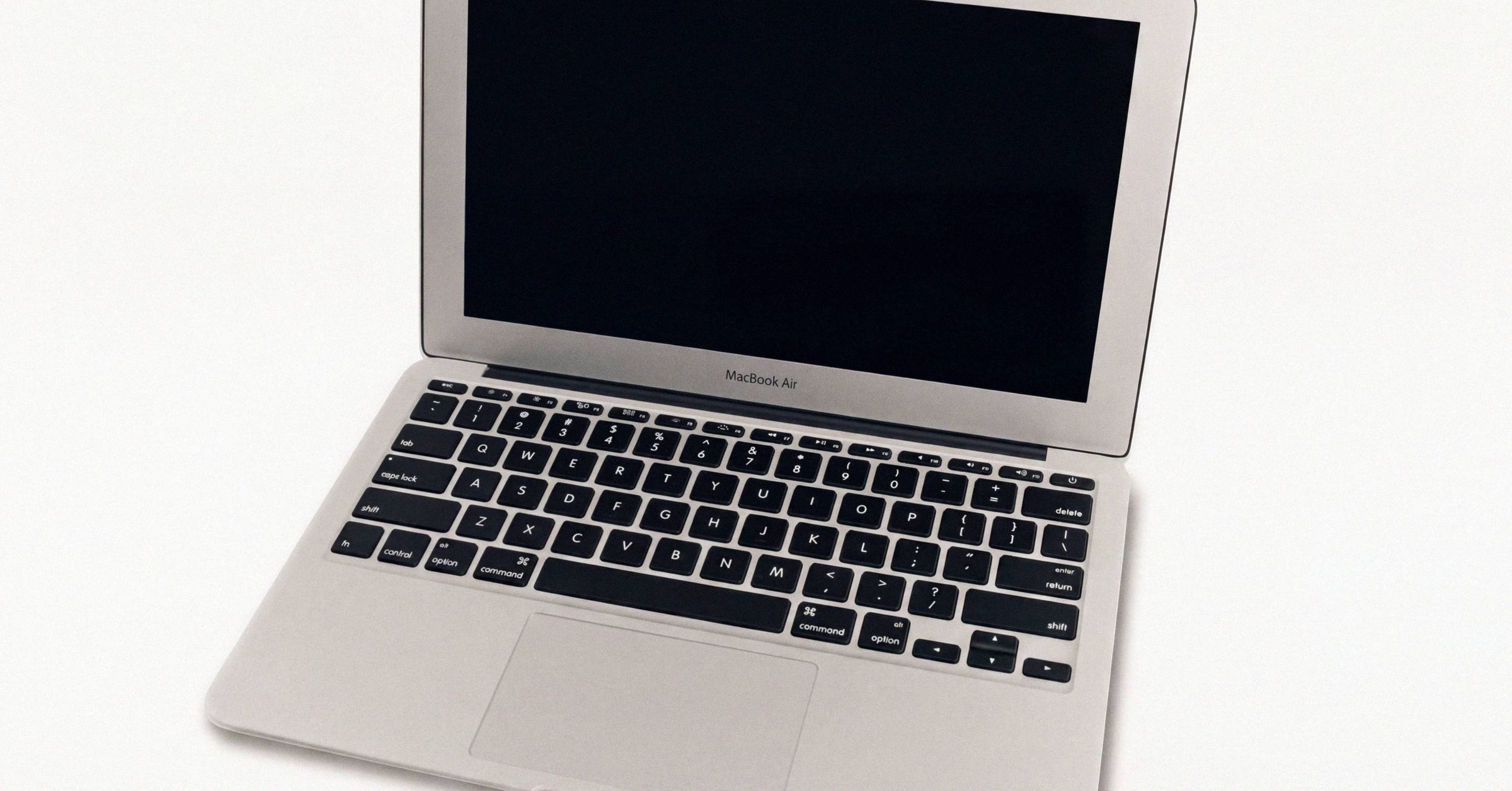
Where to sell a used Mac: a platform-by-platform comparison#
No major U.S. marketplace runs a category-specific authentication program for Macs. Swappa's serial-number check and r/AppleSwap's timestamped-photo rule are the closest analogues, and neither involves a third party touching the device. That structural fact, more than any one platform's fee schedule, decides where a high-value Mac sale belongs.
If you have not started the pre-sale prep yet, two checks gate every platform on this list: verifying Activation Lock is off (Gazelle, Swappa, r/AppleSwap all refuse locked devices on arrival) and producing the same diagnostic data, in a shareable signed report so the buyer-side dispute surface is documented before the Mac leaves your hands.
The high-value Mac problem#
Used Macs occupy an awkward zone in the U.S. consumer-resale market. They retain value better than most consumer electronics. A maxed-out current-generation Mac Pro or Mac Studio can resell for $5,000 to $10,000+. But the marketplaces that operate dedicated authenticator programs (eBay's Authenticity Guarantee, Mercari Authenticate, StockX, GOAT, Entrupy-backed handbag platforms) all built those programs for categories where the verification problem is visual and tactile: handbags, sneakers, watches, jewelry, trading cards, fine art, and streetwear.
A Mac's verification problem is different. Apple's serial number, Activation Lock, T2 / Secure Enclave binding, and EFI firmware lock create identity assurances no third party can replicate by holding the device. The hardware-bound facts about a Mac (serial, board ID, model, original purchase date, AppleCare status, MDM enrollment state) live in Apple's records and in the device's own secure storage, not in stitching or sole patterns an authenticator can grade on a checklist.
The practical consequence is that buyer and seller protections on Mac transactions are generic, payment-processor-driven, and frequently capped well below the price of a high-end Mac. Three structural realities follow:
- Authentication is the seller's responsibility. No platform inspects a Mac before delivery.
- Protection programs skew toward the buyer at high price points. Significantly-Not-As-Described (SNAD) disputes, "arrived broken" claims, and 120 to 180-day chargeback windows are documented exposure for sellers of high-value electronics.
- The seller's choice of platform is largely a choice of which risk to absorb: fee compression, chargeback exposure, physical safety on cash meetups, or below-market trade-in valuation.
The rest of this post walks each of the major options in turn, then compares them on fees, protection, KYC, geography, and the price points where each one stops being viable.
Swappa#
Swappa is the most Mac-specific peer-to-peer venue in the U.S. It is tech-only, listings are manually reviewed before going live, and the platform's listing flow matches Mac configurations (year, chip, RAM, storage) into dedicated product pages.
Fees. In March 2024, Swappa moved from a tiered buyer-only fee to a symmetric 3% buyer + 3% seller structure, both calculated on the seller's Ask Price. On top of the 3% seller fee, the seller pays PayPal processing (3.49% + $0.49 for domestic U.S.) or Stripe processing (2.9% + $0.30). A $100 Ask Price displays to the buyer as $103; after Swappa's 3% and PayPal's processing fee, the seller nets approximately $92.92. Listing is free. Swappa collects and remits state sales tax as a marketplace facilitator. (Swappa fees) The full Swappa-fee walkthrough on a Mac sale is in a separate post for sellers running the unit economics.
Mac-specific listing requirements. Every listing is manually approved. For a MacBook, iMac, Mac mini, Mac Studio, or Mac Pro, Swappa requires the device serial number for verification (IMEI is used only for cellular devices). The device must power on, all hardware and software features must work, cracked glass disqualifies Mint/Good/Fair grading, and Activation Lock must be removed before sale. Listing photos must show the actual device with a Swappa-issued verification code visible in one of the photos for standard sellers. Power Sellers can use a persistent profile-level photo code. The three Swappa pre-listing checks for Macs catch most first-pass rejections.
Payments and protection. Payments run primarily through PayPal, with Stripe as secondary. Payment is collected at sale close, before the seller ships, so PayPal Goods & Services buyer/seller protection underlies every transaction. Swappa support is the first-line mediator; ultimate financial recourse runs through PayPal's dispute and chargeback processes. There is no Swappa-funded warranty pool independent of PayPal.
Seller tiers. Standard sellers (individual users with per-listing verification codes), Power Sellers (invitation-based, persistent profile-level photo code, Incoming Inventory dashboard, WholeCell inventory integration), and Enterprise sellers (multi-quantity listings, public-comment sections disabled, blue building icon).
Viability for high-value Macs. Strong. No published list-price ceiling; Mac Pro and Mac Studio configurations regularly transact. The combination of mandatory serial verification, manual approval, PayPal G&S, and platform-mediated dispute support makes Swappa among the safest peer-to-peer options. Trade-off: smaller buyer pool than eBay, so time-to-sale runs longer.
eBay#
eBay carries the largest buyer pool of any marketplace covered here and the highest seller risk on Mac sales. Three structural facts decide that.
Fee structure. eBay charges a per-listing Final Value Fee (FVF) plus a per-order fixed fee, both calculated on the total amount the buyer pays (item + shipping + handling, excluding sales tax). Fees include payment processing under eBay Managed Payments. The structure differs sharply between sellers with and without a Store subscription:
- Non-Store / Starter sellers, computers & electronics: approximately 13.6% on sales up to $7,500, 2.35% on the portion above; $0.40 per order over $10.
- Basic Store and higher subscribers, computers & electronics: approximately 7.35% on sales up to $2,500, 2.35% on the portion above; same $0.40 per-order fee.
Effective February 14, 2025, eBay adjusted FVFs across most categories with increases of up to 0.35%. International sales add a 1.65% international fee. (eBay seller fees)
Authenticity Guarantee does not cover Macs. This is the single most important detail on eBay for Mac sellers. The Authenticity Guarantee program covers only specific categories: watches sold for $2,000+, sneakers (Yeezy, Jordan, Nike, adidas, and selected others), handbags and luxury accessories, jewelry, trading cards, apparel and streetwear (selected luxury brands), and fine art. Computers, including Macs, MacBooks, iMacs, Mac minis, Mac Studios, and Mac Pros, are not part of the program. There is no eBay-operated authentication facility that inspects a Mac before it ships to the buyer, no authenticity badge for Macs, and no Authenticity-Guarantee-driven return inspection on SNAD returns. The category-by-category reasoning eBay applied explains why computers are excluded. The swap-out scam (buyer returns a different, broken, or downgraded Mac under a SNAD claim) is the documented risk eBay places on the seller.
Money Back Guarantee and the $750 signature rule. The Money Back Guarantee (MBG) covers buyers for Item Not Received (1 to 30 days after the latest estimated delivery date) and Significantly Not As Described (up to 30 days after actual delivery). For any order whose total cost (item + shipping + tax) is $750 or more, the seller must purchase carrier signature confirmation to retain MBG seller protection. Without signature confirmation, an INR claim or payment dispute on a $750+ Mac will typically resolve against the seller, even with tracking showing delivery. Because the threshold is calculated on the checkout total, not the item price, this requirement effectively covers virtually every used Mac sale on eBay. A $680 MacBook with $40 shipping and $45 tax has a checkout total of $765 and falls under the rule, which is why the $750 line covers every Mac listing in practice. (eBay Money Back Guarantee policy, Signature confirmation policy)
Chargeback exposure. Beyond MBG, buyers can pursue card chargebacks with their issuer (up to 120 days from delivery for most card networks) or PayPal disputes (up to 180 days for goods-not-received and SNAD). eBay's seller protection covers some chargebacks if the seller followed all eBay rules (tracking, signature for $750+, proper shipping window), but eBay reserves discretion. eBay Managed Payments operates primarily through Adyen and removes the seller's ability to use independent chargeback-mitigation tools commonly available to direct merchants.
Promoted listings and performance surcharges. Optional Promoted Listings Standard adds 1% to 10%+ on conversion. Sellers falling "Below Standard" pay an additional 6% on the total sale price. High rates of "item not as described" returns can trigger an additional 5% surcharge. Combined fees can exceed 24% for the worst-performing sellers.
Viability for high-value Macs. Realistic in terms of buyer reach but the highest-risk structured platform for sellers. The combination of no Authenticity Guarantee for Macs, buyer-favorable SNAD adjudication, chargeback exposure up to 180 days, mandatory signature for $750+, and high effective fees makes a $5,000 Mac Studio on eBay materially riskier than the same sale on Swappa or r/AppleSwap with PayPal G&S backing.
Facebook Marketplace#
Facebook Marketplace operates in two modes with very different risk profiles: local pickup (free, off-platform payment, zero formal protection) and shipped Checkout (10% selling fee, Purchase Protection on items under $2,000).
Fees. Local pickup is free to both parties. For shipped Checkout transactions in the U.S., Meta charges a 10% selling fee (minimum $0.80 per shipment), increased from 5% in April 2024. The 10% applies to the total collected from the buyer (item price + buyer-paid shipping + applicable tax).
February 24, 2025 shipping change. Facebook discontinued prepaid shipping labels for new listings. Sellers shipping after that date must buy their own labels and upload tracking to the order page. If a seller fails to upload tracking within 7 calendar days of sale, Meta may auto-cancel the order and refund the buyer.
Purchase Protection excludes items priced $2,000 or more. This is the binding constraint for high-value Mac sales on Facebook, and the $2,000 ceiling deserves its own dedicated post because of how thoroughly it rules out the platform for high-end Mac shipping. Purchase Protection covers only items purchased through Checkout with shipping. Local pickup, Messenger-arranged off-platform transactions, and any transaction not completed through Checkout are excluded entirely. Even within Checkout, the policy excludes items priced at $2,000 or more, along with vehicles, real estate, services, donations, precious metals, antiques and collectibles, industrial machinery, custom or made-to-order items, and prohibited items. For a $3,000 Mac Studio purchased through Facebook Checkout, Purchase Protection does not apply and the buyer's only recourse is a credit-card chargeback. The $2,000 threshold is the single most important platform mechanic to understand for high-value Macs on Facebook.
Seller Protection. Limited to items with a sale price of $500 or less, U.S.-only, with valid tracking, shipped within the 7-day handling window. For any Mac priced above $500, Seller Protection is not available.
Account verification. A standard Facebook account is the only requirement. No TruYou-style ID verification, no Mercari-style Authenticate KYC. Profile age, friend count, and Marketplace transaction history are the only counterparty signals, and account-takeover fraud makes even those unreliable.
Mac-targeted scam patterns. Facebook Marketplace has the largest documented catalog of Mac-targeted scams of any platform: fake Zelle "business account upgrade" emails (often from lookalike domains like zelle.platformservices@gmail.com), doctored Cash App or PayPal payment screenshots, "I'll send my shipper" freight-forwarder pickups, counterfeit cashier's-check overpayment, "accidental" P2P-app overpayment loops, stolen-account reverse on Venmo/Zelle, buyer-flip "arrived broken" Checkout claims, and account takeover via compromised established accounts. The full catalogue of Mac sale scams on Facebook Marketplace, with the procedural rule that defeats most of them, is a separate reference.
Viability for high-value Macs. Not realistic as a primary platform for any Mac sale where the buyer or seller wants platform-mediated protection. For local cash-in-hand at a SafeTrade zone, Facebook can work like Craigslist with less anonymity. For shipping at $2,000+, Purchase Protection is excluded and chargeback risk is essentially unmitigated. The platform's scam volume on Apple products specifically makes it the most adversarial environment of the major platforms.
Craigslist#
Craigslist is pure classified ads. It does not process payments, hold funds, escrow transactions, verify identities, authenticate items, mediate disputes, or offer buyer/seller protection of any kind. The site explicitly directs users to make high-value exchanges at a local police station.
Fees. $0 for most personal listings, including computers and electronics. No commission, no transaction processing, no insertion fees for general for-sale categories.
Payment mechanics. All payment is off-platform. Realistic options for a high-value Mac in person are cash (recommended by Craigslist itself, with counterfeit-detection pen and UV light), cashier's check (extremely risky due to counterfeit quality, mitigated only by calling the issuing bank at a publicly-listed number), in-person bank transfer at a branch (highest-friction but most counterfeit-resistant for $5,000+), or peer-to-peer apps (Zelle, Venmo, Cash App, all without goods-and-services protection and subject to reversal if the buyer pays from a compromised account).
Buyer / seller protections. None. Any "Craigslist Buyer Protection" or "Craigslist escrow" service offered via email is a known scam. Craigslist has no such program.
Dispute mechanism. None. No support staff arbitrating transactions, no ratings, no feedback, no records of completed sales. Recourse is local police if a crime occurred, civil court if amounts justify it, FTC complaint at reportfraud.ftc.gov, FBI IC3 at ic3.gov for cyber-enabled fraud.
Craigslist-specific scam patterns. Out-of-area buyer / shipping scams (often with a fraudulent cashier's check or fake PayPal email), overpayment-and-refund-the-difference patterns, fake escrow services on buyer-controlled domains, counterfeit cashier's checks, grab-and-go pickups at residential meetups, armed robbery (the so-called "Craigslist murders" that motivated the spread of police-station Safe Exchange Zones), and fake "Craigslist Voicemail" or "Purchase Protection" phishing emails.
Meetup safety for high-value transactions. For $5,000 to $10,000+ exchanges, accepted practices include: meet at a police-station Safe Exchange Zone or SafeTrade Station (directories: safetradestations.com, safeexchangepoint.com, safetradespots.com); daylight, public, well-lit fallback locations; bring a second person who knows where you are; inspect the device fully (boot it, log in, verify Activation Lock status, run the built-in Mac diagnostic test by chip and model) before payment; do not advertise the cash or device. The Craigslist Mac meetup-safety walkthrough covers the protocols in more detail.
Viability for high-value Macs. Realistic for in-person cash sales only if the seller meets at a Safe Exchange Zone, accepts only cash with counterfeit detection or an in-branch bank transfer, verifies the buyer's payment fully clears before releasing the device, and accepts that there is zero recourse after the exchange. For shipping, Craigslist is not realistic. The free-listing model means Craigslist nets the highest gross sale price of any platform, but only when the transaction completes safely.
r/AppleSwap#
A community-run subreddit for buying, selling, and trading used Apple devices peer-to-peer. The subreddit charges no platform fee; payment runs through the participants' chosen rails (almost exclusively PayPal Goods & Services). (r/appleswap rules, r/appleswap index)
Account requirements. Account age minimum 7 days. Active Reddit participation expected; moderators decline to publish exact karma or post-count thresholds, but consistent visible activity outside r/AppleSwap is the implicit expectation. The cross-referenced r/HardwareSwap requires accounts to be at least 50 days old with 100 comment karma generated outside "free karma" subreddits. No third-party selling links allowed in posts.
Required post format. [Location] [H] What you Have [W] What you Want. Example: [USA-CA] [H] 16" MacBook Pro M3 Max 64GB/2TB Space Black [W] $3200 PayPal. Trade posts must have an Apple product on at least one side. Sale posts must list an asking price.
Timestamped-photo rule. Every sale post must include photos of the actual device with a handwritten timestamp, a physical piece of paper bearing the seller's Reddit username and current date (within the last 5 days), visible in the same frame as the device. Digital timestamps, tablet-drawn notes, and software overlays are prohibited. If the device powers on, at least one photo must show it powered on, ideally displaying "About This Mac" or "System Information" to verify storage, RAM, and processor specs. Stock or manufacturer photos are not allowed.
Repair-history disclosure. After post submission, the AppleSwapBot messages the seller; the seller must reply with the repair history (e.g., "iPhone XR screen replaced by Apple October 2019") or "Not applicable / n/a." Apple, AASP, and third-party repairs all qualify, including DIY.
Payment methods, strict. PayPal Goods & Services and local cash are the only payment methods allowed. PayPal Friends & Family, Zelle, Venmo, Cash App, and cryptocurrency are explicitly disallowed because none offer buyer protection. Attempting to steer a buyer toward fee-free, irreversible payment methods results in an immediate, permanent ban.
Trust signals. Community-wide reputation system based on u/USERNAME-rep threads. Each user has a rep thread where completed trades are publicly confirmed. A published banned-users list is linked from the wiki and typically shared across major Reddit trading subs. The r/AppleSwap timestamped-photo rule and account-age gates are the structural friction that filters most casual fraud.
Dispute resolution. By design, mods don't arbitrate. Recourse is the PayPal Goods & Services dispute process, followed by credit-card chargeback if PayPal rules against the user. Mods will add a confirmed scammer to the banned-user list given documented evidence of fraud.
Viability for high-value Macs. Strong for users with established Reddit accounts and rep history. Mac Studios, Mac Pros, and maxed-out MacBook Pros routinely transact. The combination of timestamped-photo rules, repair-history disclosure, the rep system, the banned-scammer list, and mandatory PayPal G&S makes the protection structure roughly equivalent to Swappa, without the platform fees. A seller with a strong rep thread and good timestamp photos can typically transact a $5,000 Mac Pro within a few days at close to the Swappa Ask Price minus Swappa fees. The barrier is that new accounts are excluded, and users without rep history have a harder time attracting cautious high-value buyers.
Mercari#
Mercari technically permits Mac and laptop listings but is not realistic for high-value Macs because of a hard price cap. Mercari publishes a $2,000 maximum for listings and purchases on standard items. The only exception is Mercari Authenticate, which can list up to $5,000 and covers handbags, wallets, eyewear, jewelry, watches, and designer shoes. Mac computers are not in any Authenticate category. This caps a Mac listing at $2,000, excluding essentially every Mac Studio, Mac Pro, and most current MacBook Pro configurations.
Fee structure (effective January 6, 2025). Seller pays a flat 10% selling fee on combined item price + buyer-paid shipping, no separate processing fee. Buyer pays a flat 3.6% Buyer Protection fee on item price + buyer-paid shipping. Standard direct-deposit cash-out is free; Instant Pay costs $3 and is capped at $600 per month. (Mercari fees, FAQs about the new fee structure)
Fee history. In March 2024, Mercari controversially removed all seller fees and shifted the entire cost to buyers (~10% fee plus 2.9% + $0.50 processing). Sales volume dropped sharply and Mercari laid off ~45% of U.S. staff in June 2024. The company reversed course on January 6, 2025, splitting fees as above.
Shipping mechanics and protection. Mercari prepaid labels include Shipping Protection up to $200 per item, well below the value of any high-end Mac, so the protection is functionally irrelevant for Macs even at the $2,000 cap. Buyer return window is 72 hours from delivery for "not as described," damaged in shipping, missing parts, or wrong item. Sellers cannot rate buyers, so there is no reputation cost to a buyer who initiates returns.
Viability for high-value Macs. Not realistic. The $2,000 listing cap is the binding constraint. For a lower-end MacBook Air at $800 to $1,500, Mercari is usable but the buyer-friendly return policy creates seller risk on a category (laptops) where buyer-flip fraud is documented.
OfferUp#
A U.S. mobile-first marketplace that began as a local-pickup alternative to Craigslist and added nationwide shipping. Two transaction modes with very different protection profiles.
Fees. Local pickup with cash is $0 to either party (OfferUp does not process the payment). Shipped items: 12.9% of sale price to the seller with a $1.99 minimum. The buyer pays for shipping calculated by OfferUp based on declared package weight/dimensions (up to 20 lbs); OfferUp generates a prepaid USPS label.
OfferUp 2-Day Buyer Protection. Available only when the buyer paid through the OfferUp app with a credit/debit card, the seller used the OfferUp-provided shipping label, and the buyer files a claim within 48 hours of delivery. The 48-hour window is strict, confirming delivery or letting it close releases funds and the sale is final. Funds release to the seller approximately 5 days post-delivery if no claim opens. (Getting paid, OfferUp Support)
Local transactions have zero protection. Cash-in-person pickups are explicitly as-is final. If a buyer hands over cash and the Mac fails an hour later, OfferUp will not refund. Same applies to seller losses on local sales (fake bills, fake digital payments, etc.).
Item value caps for shipped items. Historical practice has set a soft upper limit around $1,500 to $2,000 for shipped items, with higher-value items pushed to local pickup. For a $3,000+ Mac Studio, the seller is realistically pushed into local-pickup mode without Buyer Protection coverage.
TruYou verification. OfferUp's optional ID-verification feature. Users submit a government-issued ID and a selfie taken in-app, processed by Onfido. Verified users get a TruYou badge. Per OfferUp's Terms of Service, TruYou does not guarantee a user is who they claim to be, does not run background checks, and is not a warranty of integrity. It is a moderate-friction identity check, not bank-grade KYC.
Viability for high-value Macs. Limited. For a low-to-mid MacBook in the $500 to $1,500 range, OfferUp shipping with Buyer Protection works, though the 12.9% fee is the highest of the structured marketplaces. For a $3,000+ Mac Studio or Mac Pro, OfferUp's shipping value cap and buyer-protection mechanics make it impractical, leaving local pickup, which carries none of OfferUp's protection.
Gazelle#
A direct buyback / "reCommerce" company that purchases used consumer electronics, refurbishes them, and resells through its own store. Gazelle is owned by ecoATM. Not a peer-to-peer marketplace, the seller transacts directly with Gazelle as counterparty. (Sell My Mac, Gazelle)
Valuation process. Instant online quote based on model and seller-declared condition (Good / Poor / Faulty). Seller accepts the offer and Gazelle ships a prepaid box. Seller has 30 days from acceptance to ship; otherwise the offer expires and a new quote is required. After receipt, Gazelle inspectors verify condition. If the inspection matches the declared condition, the original offer is honored. If the device is in different condition than declared, Gazelle emails a revised offer.
Revised-offer handling. Seller can accept the revised offer (payment within ~10 business days) or decline (Gazelle returns the device free of charge with no further obligation). Unlike Decluttr's historical auto-accept-on-silence default, Gazelle's free-return policy presents zero financial risk to the seller, though a minority of reviews allege aggressive downgrades.
Payment methods. Check by mail, PayPal, or Amazon gift card (sometimes offered with a small bonus). No direct bank transfer.
Memory and SSD upgrades. Gazelle's published guidance is that aftermarket RAM or storage upgrades to laptops generally do not increase the offer significantly. For Apple Silicon Macs (M1+) where RAM and storage are soldered into the SoC package, this is moot.
Viability for high-value Macs. Realistic if the seller prioritizes convenience over maximum price. Gazelle's offers run below private-sale market value, the trade-off for a guaranteed buyer, prepaid shipping, and a 30-day price lock. The step-by-step Gazelle Mac trade-in flow from quote to payout covers the revised-offer mechanic in detail. For a maxed-out current-gen MacBook Pro or Mac Studio, the gap between Gazelle's offer and a private-sale price on Swappa or r/AppleSwap can easily be $500 to $1,500+. Trade-in quotes are typically 25 to 35 percent lower than realized peer-to-peer sale prices. After Decluttr's June 17, 2025 closure, Gazelle is the most reliable major buyback option that still meaningfully covers Macs.
Decluttr (closed)#
For completeness: Decluttr, operated by U.K.-based musicMagpie (acquired by AO World in October 2024), shut down its U.S. operations on June 17, 2025, with little advance notice. The U.S. site no longer accepts trade-ins. The closure followed roughly 18 months of declining customer reviews and high-profile YouTube documentation of downgraded valuations. The U.K. parent has not announced plans to restart U.S. operations. Alternatives now: Gazelle, SellYourMac, Back Market trade-in, Apple's own trade-in program, Best Buy trade-in, and direct peer-to-peer sale on Swappa or eBay.
Apple Trade-In#
Apple's official trade-in program offers an instant online quote and accepts most recent Macs. Price-lock duration is roughly 14 days. Payment is store credit or Apple Gift Card only, no cash payout, which significantly limits financial flexibility. Free return of the device if Apple's post-inspection valuation drops and the seller declines. Devices that are non-functional may be eligible for recycle-only (no payout) handling. (Apple Trade-In)
Apple Trade-In is the most punitive option on high-end configurations. A maxed M2 Ultra Studio that retailed over $9,000 has been quoted around $1,255, under 14 percent of original retail. The economics make sense for sellers who plan to apply credit toward a new Apple purchase and who value zero buyer-side risk over maximum proceeds.
Fee comparison on a $3,000 Mac#
| Platform | Gross fees | Seller nets | Notes |
|---|---|---|---|
| Craigslist (local cash) | $0 | $3,000 | Highest gross; zero recourse |
| r/AppleSwap (PayPal G&S, seller-side) | ~$105 | ~$2,895 | If buyer pays G&S fee by agreement, seller nets full ask |
| Facebook Marketplace (local cash) | $0 | $3,000 | No platform-mediated protection at $2,000+ |
| Swappa | ~$194 | ~$2,806 | Buyer pays additional 3% on top of Ask |
| Facebook Marketplace (Checkout shipped) | ~$300 | ~$2,700 | Purchase Protection excludes >$2,000 |
| OfferUp (shipped, if eligible) | ~$387 | ~$2,613 | Shipping eligibility doubtful at this value |
| eBay (Basic Store, computer category) | ~$220 | ~$2,780 | Plus signature confirmation (~$3 to $5) |
| eBay (Non-Store, computer category) | ~$398 | ~$2,602 | Plus promoted-listing %, if used; plus signature |
| Mercari | N/A | N/A | $2,000 listing cap blocks the transaction |
| Gazelle | "Fee" baked into spread | Typically 25 to 35 percent below private-sale | Guaranteed buyer; trade off price for certainty |
A casual (non-Store) eBay seller of computer hardware faces an effective fee rate of roughly 17.6% on the item's core value before promoted-listing or performance surcharges. Swappa and subscription-based eBay storefronts yield materially higher net payouts on the same sale.
Protection mechanisms compared#
PayPal Goods & Services. The most consequential protection mechanic in the Mac resale market because it underlies Swappa, r/AppleSwap, and many off-platform deals. Buyer protection for Item Not Received and Significantly Not As Described up to 180 days from payment. Seller protection requires shipping with tracking and, for high-value items, signature confirmation to the address on file. The underlying card networks add chargeback rights that the buyer can exercise even if a PayPal dispute is resolved against them. Operational latency: funds restoration can take up to three weeks. PayPal Friends & Family is explicitly not a Goods & Services rail and carries no buyer protection.
eBay Money Back Guarantee. INR cases 1 to 30 days after the latest estimated delivery date, SNAD cases up to 30 days after actual delivery. eBay typically rules within 48 hours of escalation. Allows partial refund, full refund with return, or refund where the buyer keeps the item, at eBay's discretion. For Macs ≥$750 checkout total, signature confirmation is mandatory for seller protection.
Facebook Purchase Protection. Applies only to Checkout shipped purchases. Excludes items priced $2,000 or more, plus the other category exclusions. Buyer must contact seller within 3 days of delivery, then file a claim within 45 days (60 days for unauthorized-purchase claims). Seller Protection capped at $500 sale price.
Mercari Guarantee. 72-hour buyer return window from delivery. Funds held until buyer rates the transaction or 72 hours after delivery, whichever first. Sellers cannot rate buyers. $200 Shipping Protection on prepaid labels, irrelevant for Mac-level value.
OfferUp 2-Day Buyer Protection. Strict 48-hour claim window from delivery. Requires payment through the app + OfferUp-provided shipping label. No protection on local cash pickups.
Craigslist. None. Any email claiming otherwise is phishing.
KYC requirements compared#
| Platform | KYC level |
|---|---|
| Swappa | Tied to PayPal/Stripe KYC. Power Seller / B2B Exchange requires business verification. |
| eBay | Tax info (SSN/EIN), bank account, identity verification for Managed Payments. |
| Facebook Marketplace | Standard Facebook account; Checkout requires payment-card verification. |
| Craigslist | None. Email relay only. |
| r/AppleSwap | None at the subreddit; PayPal handles KYC for payment. |
| Mercari | MSB-registered; ID upload required for Authenticate items (not Macs). |
| OfferUp | Optional TruYou (government ID + selfie via Onfido). |
| Gazelle | Standard payee verification (PayPal account or mailing address). |
| Apple Trade-In | Standard payee verification. |
Geographic reach#
U.S. domestic only: Swappa (sellers), Mercari, OfferUp, Gazelle, Apple Trade-In. U.S. + international shipping: eBay (with 1.65% international fee). U.S. + international buyers via U.S. address: Swappa. Local/city only: Craigslist (by design), Facebook Marketplace local pickup, OfferUp local pickup. Nationwide via shipping: eBay, Swappa, Mercari (capped), OfferUp Checkout, Facebook Checkout, r/AppleSwap (community convention).
Hardware factors that affect platform fit#
A few device-level facts compound the platform decision.
Activation Lock and account binding. Apple Silicon Macs and T2-equipped Intel Macs are bound to Apple's security architecture via the Secure Enclave. Before any sale: sign out of iCloud and disable Find My, remove all MDM enrollment, erase the device, confirm no AppleCare, financing balance, or carrier hold flags the serial. The seller-side Find My sign-out walkthrough covers the exact System Settings sequence and the iCloud.com confirmation that the sign-out actually took. Direct-buyback platforms like Gazelle automatically reject and return Macs with Activation Lock active or MDM enrollment. Swappa prohibits listing Activation-Locked devices. r/AppleSwap prohibits posting them. Selling an Activation-Locked Mac is effectively impossible on every reputable channel.
Battery health (laptops). On Swappa, identical Mac laptops have been reported to command a 19 to 23 percent premium when battery health is verified at 88 percent or higher, compared with units in the 82 to 87 percent range. Units at or below 80 percent average 38 to 44 percent lower prices because macOS triggers a service-recommendation warning. Document battery state in listing photos via System Information > Power > Battery Information.
Configuration matching. Apple Silicon Macs have non-upgradeable RAM and storage. Listing specifications must precisely match what the device reports in System Information; buyers compare against published configurations and SNAD claims commonly cite "wrong specs." For older Intel Macs where RAM/SSD were user-upgradeable, aftermarket upgrades may not significantly increase buyback offers.
Seasonal timing. Resale value follows predictable seasonal patterns tied to Apple's product cycle. The optimal listing window is generally two to six weeks prior to Apple's autumn launch events, when buyer demand is elevated before new-product announcements reset valuations downward.
Repair history. r/AppleSwap requires explicit disclosure. Even on platforms without mandatory disclosure, undisclosed repair history is a frequent basis for SNAD disputes and chargebacks. Apple-performed repairs generally preserve resale value better than third-party repairs.
A strategic decision framework#
The right platform depends on relative weights on price, speed, protection, and physical-safety risk.
Maximum price, willing to wait. Swappa for platform-mediated protection plus Mac-specific listing controls. r/AppleSwap for users with established Reddit accounts and rep history, zero platform fees, protection structure roughly equivalent to Swappa via PayPal G&S.
Maximum buyer reach, willing to accept chargeback and SNAD risk. eBay, ideally with a Basic Store subscription for the discounted computer-category fee. Honor signature-confirmation requirements at $750+. Document the device extensively before shipping.
Maximum speed and certainty, willing to accept below-market price. Gazelle is the primary remaining major buyback service for Macs after Decluttr's closure. Decline aggressively if a downgraded post-inspection offer is unreasonable; the free return is the leverage. Apple Trade-In if store credit is acceptable.
Local in-person cash, willing to accept zero recourse. Craigslist for the lowest-friction free listing. Facebook Marketplace local pickup for greater reach, with the trade-off of more scam volume and exposed personal profile. Both only at police-station Safe Exchange Zones or bank lobbies, only with cleared funds before device release.
Low-to-mid-end Macs ($500 to $1,500). All of the above plus OfferUp shipping with Buyer Protection, though with the highest commission of the structured marketplaces. Mercari is usable up to its $2,000 listing cap but creates seller risk via buyer-friendly returns.
Never realistic for high-value Macs. Mercari for anything above $2,000 (hard listing cap). Facebook Marketplace shipping for anything $2,000+ (Purchase Protection excluded; chargeback risk unmitigated). OfferUp shipping for $3,000+ (value cap and protection mechanics). Decluttr (closed June 17, 2025).
A note on policy volatility#
Platform policies in this space change frequently. Structural shifts within the past 24 months include Swappa's symmetrical fee restructuring (March 2024), Mercari's complete fee restructurings (March 2024, reversed January 6, 2025), Facebook Marketplace's shipping-fee doubling (April 2024) and prepaid-label removal (February 24, 2025), eBay's expanded payout-hold rollout (2024 to 2025) and February 14, 2025 FVF adjustments, and Decluttr's U.S. shutdown (June 17, 2025). Any specific fee, cap, or protection rule should be re-verified on the platform's own help-center pages before a high-value transaction.
What this means if you have a Mac to sell#
The decision is rarely "where do I get the most money," because all paths to top-of-market peer-to-peer price route through PayPal Goods & Services protection on a venue with strong listing controls (Swappa) or strong community norms (r/AppleSwap). The fee delta between those two is roughly the cost of Swappa's manual approval and dispute mediation versus the cost of building a Reddit rep history.
The interesting decision is what you give up by trading speed for certainty. Gazelle clears a high-end Mac in two weeks at a 25 to 35 percent discount versus Swappa. Apple Trade-In clears it immediately for store credit at an even steeper discount. eBay clears it faster than Swappa with chargeback exposure baked in. Craigslist clears it for cash at full price if the meetup goes safely and the funds settle.
For a Mac at the maxed configurations where used market liquidity is thinnest (Mac Studio M3 Ultra at 512GB, Mac Pro builds above $10,000), Swappa and r/AppleSwap are the only venues where the protection structure is built for the price point. Everywhere else, the protection ceiling kicks in below where the device's value starts.
If you have not picked a platform yet, the seller-side rundown of how Macfax fits a listing explains what a signed pre-sale diagnostic does to the dispute surface on every marketplace above. Lower SNAD-rate, smaller back-and-forth on "this isn't what was pictured," and one fewer line of defense the seller has to maintain alone.
Run the free report and list your Mac with proof. A verified listing carries the badge on the Macfax shelf, in front of buyers filtering for it.
Related posts
Apple Trade In value for a Mac in 2026: what Apple pays versus eBay
Apple Trade In value on an Apple Silicon Mac runs roughly 35 to 55 percent of peer-to-peer market, paid in store credit. eBay nets 60 to 80 percent more cash on most M-series machines. The widest spread is on Mac Studio and high-spec MacBook Pros.
Mac Studio M3 Ultra trade-in vs eBay: a $4,000 channel spread
Mac Studio M3 Ultra 256/2TB pulls roughly $2,400 from Apple Trade In and $5,200 to $6,800 from eBay sold listings in 2026. Here is why the channel spread is the widest on any Mac sold today.
How to sell a MacBook or Mac: the complete 2026 seller's guide
How to sell a MacBook or Mac in 2026, end to end. Platform choice, pre-sale prep, timing, pricing, listing, payment, and shipping. Skipping the iCloud sign-out before erasing is the largest preventable failure mode.
Written by
Priya PatelPriya Patel covers the used-Mac market for Macfax. Before joining she spent six years as a power-seller on eBay, moving roughly 1,200 Macs through the platform and building a private dataset of sale-price-vs-listing-price across every Mac SKU back to 2017. She writes about pricing, buyer and seller behavior across the major marketplaces, and where the secondary market actually clears versus where it's listed.
More posts by Priya →