Mac Studio M3 Ultra trade-in vs eBay: a $4,000 channel spread
Mac Studio M3 Ultra 256/2TB pulls roughly $2,400 from Apple Trade In and $5,200 to $6,800 from eBay sold listings in 2026. Here is why the channel spread is the widest on any Mac sold today.

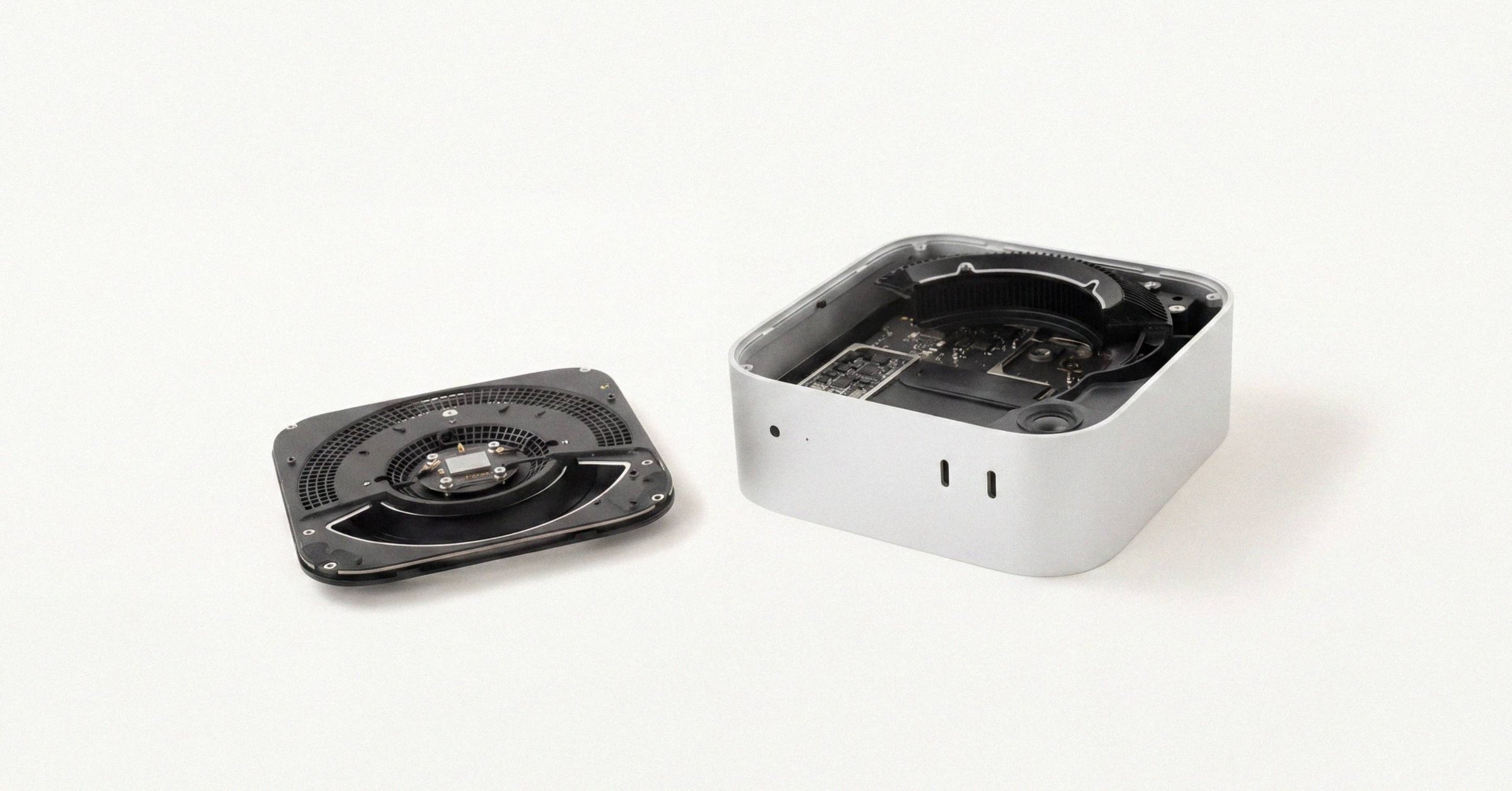
Mac Studio M3 Ultra trade-in vs eBay: a $4,000 channel spread#
A Mac Studio M3 Ultra 256/2TB in excellent condition pulls roughly $2,400 from Apple Trade In and $5,200 to $6,800 on eBay sold listings in May 2026. The spread between the lowest and highest channel on the same machine is the widest of any Mac currently in the market, at about 160% relative. Below is why that spread exists, how to read it as a seller, and what it implies about the secondary market for prosumer Apple hardware. The complete used Mac pricing reference for 2026 covers the surrounding aftermarket; this post drills into the single widest spread within it.
The channel quotes side by side#
| Channel | May 2026 payout | % of eBay sold |
|---|---|---|
| Apple Trade In (estimated) | $2,400-$2,800 | 41-46% |
| Decluttr / Gazelle | Generally will not quote | n/a |
| SellMac top spec | Up to $2,600 | 38-50% |
| Swappa net to seller | $4,800-$6,200 | 73-95% |
| eBay sold gross | $5,200-$6,800 | 100% (reference) |
| eBay net after fees | $4,370-$5,712 | 84% of gross |
| Reddit r/AppleSwap net | $5,000-$6,400 | 76-98% |
Top to bottom, that is roughly $2,500 at the floor and $6,500 at the ceiling. The same exact hardware. Same week. The relative spread is about 160%, and the absolute spread is roughly $4,000.
For context: the same comparison on a MacBook Air M2 13" 8/256 runs from $300 (Apple Trade In) to about $580 (r/AppleSwap net), a 93% relative spread. On a 14" MacBook Pro M3 Pro 18/512 it is roughly 50-70%. The Mac Studio 256/2TB sits at almost double the spread of mainstream Macs, and the structure of the market is the reason.
Why the spread is this wide#
Three forces compound on a high-end Mac Studio in a way they do not on commodity SKUs.
Inventory risk for the buyback tier#
Apple Trade In, Decluttr, Gazelle, and the specialist Mac buyers all operate on the same model: pay cash for a Mac now, take inventory risk, resell at retail later. The economics work cleanly on a steady stream of $400 M1 Airs and $900 M2 mini units that clear within days. They do not work as well on a $6,000 Mac Studio that takes weeks to find its buyer.
Each unit at this tier ties up roughly ten times more capital than a commodity laptop and turns over far less frequently. Specialist Mac buyers like SellMac and SellYourMac will quote on Mac Studios, but their numbers reflect the slow turn: SellMac caps its top-spec Studio offer at $2,600 (SellMac), well below the $4,800-$6,200 a seller can net on Swappa. The buyback-service tier explained: SellMac, Gazelle, Decluttr, OWC walks through where each fits. Decluttr and Gazelle, which run thinner-margin operations than the specialists, frequently decline to quote on $5,000+ Mac Studios at all. The reason is not that the units are unsaleable. The reason is that the price they would need to pay to clear inventory at acceptable margin is below what a seller will accept, so the quote never happens.
Apple Trade In has the same constraint but a different mitigation. The Trade In program has published category caps; on Mac Studio the cap is around $975-$1,030 after the March 2, 2026 trade-in cut. For a 256GB unit in good condition Apple may quote up to $2,400-$2,800 as an estimate, but the actual offer is serial-specific and subject to inspection. Apple's calculation is that frictionless trade-in for buyers entering the next Mac upgrade is worth keeping the program open at any payout, even one well below market. The gift card limitation also lets Apple recover a portion of the trade-in cost on the new-Mac sale.
Thin buyer pool at the top end#
The other half of the equation is the buyer side. A 256GB Mac Studio at $6,000 is not a mainstream consumer purchase. The realistic buyer is one of: a video/audio professional who needs the GPU and unified memory for color-grading and large-project workflows; a developer running local large language model inference where the unified memory architecture lets a single Mac address frontier-class models; a small studio or research operation pre-equipping multiple seats; or an arbitrage buyer reselling into one of those workflows.
The same thinness that hurts the buyback tier also stretches peer-to-peer listings. A 14" M3 Pro on Swappa clears in 3-5 days. A 256GB Mac Studio can sit for 2-4 weeks at list price before the right buyer surfaces. eBay's deeper buyer pool partially offsets this, which is why eBay sold prices are the upper end of the channel range on Studios specifically. But even on eBay, the buyer count for this segment is small enough that any single listing's velocity is unpredictable.
Discontinuation overhang amplifies the spread#
The third force is structural. The M3 Ultra Mac Studio was released March 2025 and is still sold by Apple as of this writing, but the 512GB unified-memory option was removed from the configurator on March 5-6, 2026 citing DRAM scarcity (Tom's Hardware), and the 256GB tier sits one upgrade below the discontinued one.
The 256GB Mac Studio is not the same product as the 512GB unit, and the 256GB premium is much smaller. The discontinued-capability premium on the 512GB unit is the larger anomaly. But the 512GB discontinuation has pulled attention and buyer interest upward across the entire Studio Ultra lineup. The result is that 256GB listings are getting eyeballs that would not have arrived a year ago, and listings that find a workflow-driven buyer clear above what trade-in services would estimate. The buyback tier is using their normal residual-curve math; the peer-to-peer market is pricing on workflow-driven demand that is currently outside the curve.
What this means for sellers#
If you are selling a Mac Studio M3 Ultra 256/2TB, the channel choice moves your net by roughly $2,000-$4,000 in cash. That is more than the channel choice moves on any other Mac in the market right now. A few practical implications follow.
The peer-to-peer venues win by a wider margin than they do on commodity SKUs. On an M2 Air, Apple Trade In is in the same conversation as Swappa or eBay once convenience is factored in. On a 256GB Mac Studio, Apple Trade In is between a quarter and a half of what the same machine clears on eBay. The fee structure of peer-to-peer venues (~3% on Swappa or AppleSwap, ~12.55% plus processing on eBay) is dwarfed by the spread. The Swappa, eBay, and r/AppleSwap comparison covers the per-channel fee math.
eBay's deeper buyer pool is unusually valuable in this segment. On commodity Macs, Swappa or r/AppleSwap can match eBay net because the buyer pool is broad enough on either platform. On a Mac Studio at this spec, eBay's demand depth is the difference between a clean sale at the top of the range and a listing that sits for a month. Validate prices against the sold filter or Terapeak rather than ended listings; Best Offer mechanics on this segment hide accepted prices regularly.
Take time on market seriously. A Studio at this spec can sit for weeks before clearing at list. Buyers on Swappa and AppleSwap are price-sensitive and patient; eBay's audience is broader but also more reactive to listing freshness. If you need cash this week, the buyback tier is the only option and you should expect to give up $2,000-$3,000 versus a patient peer-to-peer sale.
Distinguish 256GB from 512GB. The 512GB unified-memory Mac Studio is in its own market with documented sales from $9,500 to over $20,000. The 256GB tier is a different product priced on workflow demand, not on capability-tier scarcity. Listings that conflate the two get noise and timewasters in the inquiries. Make the configuration unambiguous in the title and the first photo.
What it implies about the secondary market#
A 160% channel spread on the same hardware is not a sign of an irrational market. It is a sign of a thin one. When the buyer pool for a SKU is small and dispersed, the cost of warehousing inventory waiting for the right buyer is high, and the channels willing to absorb that cost charge for it through low payouts. The channels that push the warehousing cost back onto the seller (eBay, Swappa, AppleSwap) charge less but require the seller to do the work and wait for the match.
This pattern shows up wherever Mac SKUs trade in low volumes: the Mac Studio Ultra tier, maxed MacBook Pro configurations, late-Intel Mac Pro 28-core units, and the 2017 iMac Pro. The spread varies by segment, but the structure is consistent. On commodity Macs the spread compresses because the buybacks can clear inventory in days; on prosumer Macs it widens because they cannot.
For a seller, the takeaway is unsentimental: the buyback tier is offering you a discount for shifting the inventory risk to them. On a $400 Mac the discount is small and the convenience is real. On a $6,000 Mac, the discount is $2,000-$4,000, and the convenience is rarely worth that much. The peer-to-peer fee is the price of doing the work of finding the buyer yourself. At this tier, that work pays well.
Wondering what a Mac is worth right now? See live asking prices for the exact configuration, next to what Apple's trade-in offers.
Related posts
Apple Trade In value for a Mac in 2026: what Apple pays versus eBay
Apple Trade In value on an Apple Silicon Mac runs roughly 35 to 55 percent of peer-to-peer market, paid in store credit. eBay nets 60 to 80 percent more cash on most M-series machines. The widest spread is on Mac Studio and high-spec MacBook Pros.
MacBook depreciation rate: the Apple Silicon curve, year by year
MacBook depreciation rate on Apple Silicon: median residual is 88% at 6 months, 78% at 12, 58% at 24, and 44% at 48. The full year-by-year curve, three regimes inside it, and where it bends.
MacBook buyback in 2026: specialist Mac buyers vs Gazelle and Decluttr
MacBook buyback rates in 2026: Gazelle and Decluttr pay 10 to 40 percent above Apple Trade In. Specialist Mac buyers like SellMac and OWC pay 20 to 40 percent more. Here is the May 2026 head-to-head with payout structure.
Written by
Priya PatelPriya Patel covers the used-Mac market for Macfax. Before joining she spent six years as a power-seller on eBay, moving roughly 1,200 Macs through the platform and building a private dataset of sale-price-vs-listing-price across every Mac SKU back to 2017. She writes about pricing, buyer and seller behavior across the major marketplaces, and where the secondary market actually clears versus where it's listed.
More posts by Priya →