Apple Trade In value for a Mac in 2026: what Apple pays versus eBay
Apple Trade In value on an Apple Silicon Mac runs roughly 35 to 55 percent of peer-to-peer market, paid in store credit. eBay nets 60 to 80 percent more cash on most M-series machines. The widest spread is on Mac Studio and high-spec MacBook Pros.

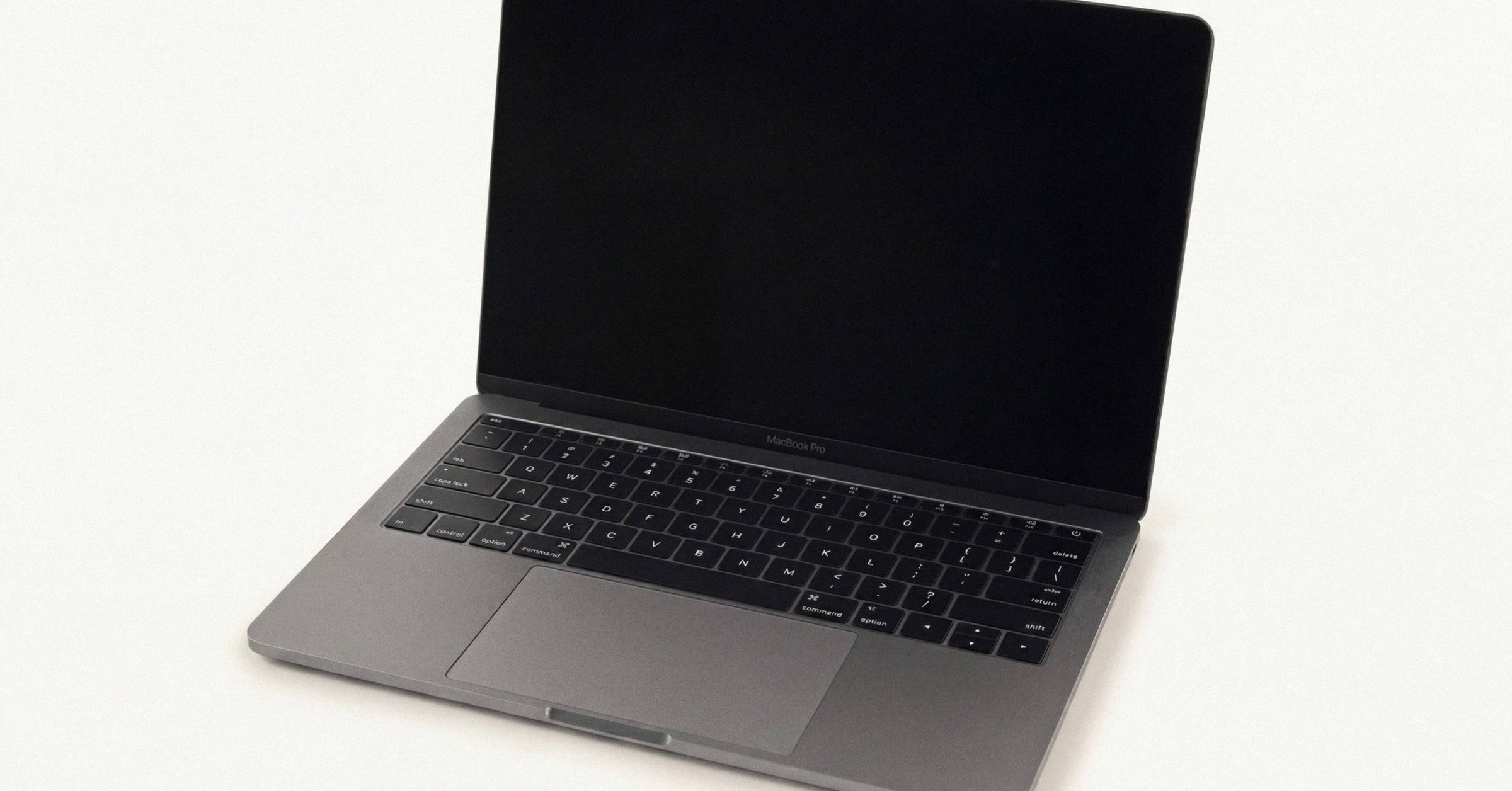
Apple Trade In value for a Mac in 2026: what Apple pays versus eBay#
Apple Trade In value on an Apple Silicon Mac runs roughly 35-55% of peer-to-peer market, and 25-40% on two-to-three-year-old machines. The payout is in Apple gift card credit, not cash. eBay sold listings, after fees, net about 60-80% more on most M-series Macs in May 2026, with the widest spreads on Mac Studio and high-spec MacBook Pros. For the full used Mac market reference across every model family and channel, the pillar piece covers the wider context.
That is the headline. The rest of this post breaks down where the numbers come from, where Apple Trade In actually wins, and what the math looks like on three representative Macs.
How Apple Trade In is structured#
Apple publishes a single set of category caps and updates them on its own cadence. The caps moved twice in early 2026:
- January 15, 2026: Apple raised most Mac caps. The published ceilings were $710 for MacBook Pro, $470 for MacBook Air, $375 for iMac, $340 for Mac mini, $1,030 for Mac Studio, and $2,520 for Mac Pro.
- March 2, 2026: Apple cut most Mac trade-in values, with the Mac line bearing the largest drops in that update (9to5Mac, MacRumors). Reported caps after the cut were approximately $685 for MacBook Pro, $485 for MacBook Air, $340 for Mac mini, and $975 for Mac Studio.
Apple states that the exact value depends on model, configuration, and condition, and a serial number is required for an accurate quote (Apple Trade In). The published numbers are category caps, not the offer most devices receive. A two-year-old machine in good condition typically lands well under the cap.
Payment is an Apple gift card spendable at apple.com or in an Apple Store. It is not cash. That distinction matters more than it sounds: a $1,400 gift card credit is worth $1,400 only if you would have spent $1,400 at Apple anyway.
How eBay is structured#
eBay's seller economics for a high-value used Mac in 2026:
- Final value fee: approximately 12.55% of the sale price.
- Payment processing: a small additional fee on top.
- Net to seller: roughly 84% of the gross sold price after fees.
The published "sold" price on eBay is the gross. To compare apples-to-apples with a trade-in quote, multiply the gross by 0.84 to get cash in pocket after fees. Buyer protection, return windows, and dispute exposure are part of the price you pay for that volume.
Validate the gross against Terapeak or eBay's "sold listings" filter rather than asking-price listings. Best Offer mechanics hide accepted prices on a meaningful share of high-value Mac transactions; the asking-price view systematically overstates clearing prices (Swappa vs eBay).
Worked example one: 16″ MacBook Pro M3 Max 36/1TB (Oct 2023)#
This is the widest-spread mainstream MacBook in the current market. The chip tier is professional, the configuration is not exotic, and the buyer pool is large enough to clear units quickly.
| Channel | Payout (May 2026) | % of eBay sold gross |
|---|---|---|
| Apple Trade In | $1,400 | 56% |
| Best Buy | $1,150 | 46% |
| Decluttr | $1,650-$1,750 | 66-70% |
| SellMac / SellYourMac | $1,800-$2,000 | 72-80% |
| Back Market seller list | $2,200-$2,500 | 88-100% |
| Swappa net to seller | $2,050-$2,250 | 82-90% |
| eBay sold gross | $2,300-$2,650 | 92-106% |
| eBay net after fees | $1,930-$2,225 | 77-89% |
| Reddit r/AppleSwap net | $2,150-$2,450 | 86-98% |
Spread from Apple Trade In to the top channel: $1,000-$1,250 in absolute dollars, or 71-89% relative. Even after eBay's fees, peer-to-peer nets about $600 more in cash than Apple's gift card offer.
Worked example two: 13″ MacBook Air M2 8/256 (Jul 2022)#
A much tighter, more efficient market. The Air is the mainstream consumer machine; buyers can find a clean one quickly, and the spread compresses accordingly.
| Channel | Payout (May 2026) |
|---|---|
| Apple Trade In | $300 |
| Best Buy | $270 |
| Decluttr | $370-$420 |
| ItsWorthMore / SellMac | $400-$460 |
| Swappa net | $470-$530 |
| eBay net | $475-$555 |
| Reddit r/AppleSwap net | $500-$580 |
Spread from Apple Trade In to the best channel: $300 to $580, or 93% relative. Narrower in absolute dollars than the MacBook Pro, but proportionally similar. The cash beat after eBay fees is roughly $175 on a machine that originally cost $1,199.
Worked example three: Mac Studio M3 Ultra 256/2TB (Mar 2025)#
The largest channel spread in the current Mac market.
| Channel | Payout (May 2026) |
|---|---|
| Apple Trade In (estimated, not currently quoted) | $2,400-$2,800 |
| Decluttr / Gazelle | Generally won't quote |
| SellMac (top spec) | Up to $2,600 |
| Swappa net to seller | $4,800-$6,200 |
| eBay sold gross | $5,200-$6,800 |
| Reddit r/AppleSwap net | $5,000-$6,400 |
The spread runs from roughly $2,500 to roughly $6,500, or 160% relative. Decluttr and Gazelle decline to quote on this configuration at all. SellMac caps the top-spec Studio offer well below what Swappa and eBay clear, because trade-in services are unwilling to hold $5,000+ units of inventory in a thin secondary market. The dedicated $4,000 channel-spread walkthrough on the M3 Ultra covers the mechanics in detail.
This is structural, not transient. The thinner the buyer pool, the wider the channel spread, because buybacks need to discount for resale time and inventory risk. The premium for selling it yourself is largest exactly where the trade-in services are least willing to compete.
Heuristic multipliers (Apple Trade In to eBay sold)#
Across the current Apple Silicon lineup, the rough rule of thumb is:
| Mac type | Multiplier |
|---|---|
| Latest-gen MacBook Air | 1.7×-2.0× |
| Latest-gen MacBook Pro base | 1.4×-1.7× |
| 2-3 year-old MacBook Pro Pro/Max | 1.6×-2.0× |
| Mac mini (M2/M4 base, current AI shortage) | 1.8×-2.5× |
| Mac Studio (any generation) | 1.7×-2.6× |
| iMac M3/M4 | 1.5×-1.8× |
| Intel-era Macs | 1.2×-1.6× |
These are gross multipliers. Apply the eBay net factor (roughly 0.84) to compare the cash-in-pocket number against the Apple gift card number. The multiplier survives the haircut on every Apple Silicon row.
When Apple Trade In is actually the right move#
The spread is large in dollar terms but the friction differences are also real. Apple Trade In is the reasonable choice in three cases:
- You are buying a new Mac the same day, you value the 60-second checkout-counter handoff, and you would have spent the gift card credit at Apple regardless. The cash-versus-credit distinction collapses in that scenario.
- You own an Intel-era Mac where peer-to-peer demand has thinned. The multiplier on Intel machines has compressed to 1.2×-1.6×, and on older or lower-grade Intel units the trade-in cap can match or exceed what eBay clears after fees and shipping.
- You are time-constrained or unable to handle shipping logistics, and the device value is low enough that the absolute dollar spread does not justify the effort.
Outside those cases, the math points to peer-to-peer.
Channel-selection checklist if you are selling#
A short decision tree for the most common cases. The head-to-head between Swappa, eBay, and r/AppleSwap on the same machine walks through each peer-to-peer venue in more detail.
- Highest cash yield, willing to handle shipping: eBay, validated against Terapeak or sold-listings filters.
- Highest net after fees, narrower buyer pool: Swappa, or Reddit r/AppleSwap with established karma history.
- Local desktop or display where shipping is expensive: Facebook Marketplace or Craigslist for a cash handoff.
- Highest non-P2P offer: specialist Mac buybacks (SellMac, OWC, ItsWorthMore) sit above Apple Trade In but below peer-to-peer.
- Frictionless trade-in toward a new Mac purchase: Apple Trade In, with the discount priced in.
- Old Intel Mac with thin P2P demand: Intel-era Macs see far less peer-to-peer demand, so Apple Trade In, a buyback service, or a recycler if the cap is low.
What this means#
The trade-in question is not really "Apple or eBay." It is "do I want cash at market price, or do I want store credit at a category-cap price in exchange for the friction reduction Apple bundles." On Apple Silicon Macs in 2026, the cash beat is large enough to be worth claiming on most spec tiers, and largest precisely where buyback services are least willing to compete.
Treat Apple Trade In's offer as a floor, not a benchmark. Run the same serial through Decluttr, SellMac, and a Swappa or eBay sold-listings check before accepting Apple's number. The 10-minute exercise is worth several hundred dollars on most machines and over a thousand on a maxed MacBook Pro or Mac Studio.
Wondering what a Mac is worth right now? See live asking prices for the exact configuration, next to what Apple's trade-in offers.
Related posts
MacBook buyback in 2026: specialist Mac buyers vs Gazelle and Decluttr
MacBook buyback rates in 2026: Gazelle and Decluttr pay 10 to 40 percent above Apple Trade In. Specialist Mac buyers like SellMac and OWC pay 20 to 40 percent more. Here is the May 2026 head-to-head with payout structure.
Mac Studio M3 Ultra trade-in vs eBay: a $4,000 channel spread
Mac Studio M3 Ultra 256/2TB pulls roughly $2,400 from Apple Trade In and $5,200 to $6,800 from eBay sold listings in 2026. Here is why the channel spread is the widest on any Mac sold today.
The 2026 MacBook RAM exception: high-memory Macs are holding value
Is the MacBook Pro RAM upgrade worth it in 2026? Yes, more than usual. The DRAM shortage has inverted the depreciation curve on 64GB and 128GB units, which now recover at 60 to 100 percent versus the historical 30 to 50. SSD upgrades have not.
Written by
Priya PatelPriya Patel covers the used-Mac market for Macfax. Before joining she spent six years as a power-seller on eBay, moving roughly 1,200 Macs through the platform and building a private dataset of sale-price-vs-listing-price across every Mac SKU back to 2017. She writes about pricing, buyer and seller behavior across the major marketplaces, and where the secondary market actually clears versus where it's listed.
More posts by Priya →