
Ben Carter
Ben Carter covers Mac marketplace fraud and the broader industry for Macfax. His reporting background is in investigative fintech, and at Macfax he focuses on counterfeit hardware, doctored listings, gray-market refurb operations, and the structural patterns in how secondhand-Mac fraud scales. He also writes the industry reports, covering pricing trends, marketplace share shifts, and the macro picture of where the used-Mac market is going.

The used Mac market in 2026: sizing, channels, and the AI demand layer
The used Mac market in 2026 has split into two economies: commodity M1/M2 MacBook Airs at $300-$600, and high-RAM Apple Silicon desktops trading like used enterprise GPUs. Sizing, channels, depreciation curves, and the AI demand layer through May.

Find My Mac: the complete owner's guide
Find My Mac is the master switch behind Activation Lock, and Apple gates turning it off behind the Apple Account password. Here is how to set it up, how the offline-finding BLE network actually relays location, and the state machine across Enabled, Find My network, Suspended, Pending, and Signed-out.

Mac Startup Security Utility: Secure Boot levels on T2 and Apple silicon
Startup Security Utility on a Mac is the Recovery-only panel that exposes the Secure Boot policy. T2 Macs configure one system-wide level (Full / Medium / No Security). Apple silicon Macs configure per-volume LocalPolicy (Full / Reduced / Permissive). Activation Lock only engages at Full.
Apple Activation Lock removal request: how the legitimate process works
Apple's Activation Lock removal request lives at al-support.apple.com and requires an original receipt from Apple or an Apple Authorized Reseller with the serial number, purchase date, and reseller details. Response time can run up to 30 days. Private bills of sale and eBay receipts are routinely rejected.

Activation Lock vs FileVault vs Firmware Password: what the difference is
Four Mac security features get confused at the same login or Setup Assistant moment. Activation Lock protects hardware reuse and lives on Apple's servers. FileVault protects data via full-disk encryption. The Intel firmware password is obsolete on Apple silicon, replaced by Recovery Lock. Each has a distinct clear path.

MacBook scams when buying a Mac: how to avoid getting ripped off
MacBook scams in the second-hand market all run on two server-side locks Apple will not remove for second-hand buyers. The architecture behind them, the recurring fraud patterns, the 15-minute pre-purchase protocol, and the remediation paths when something goes wrong.
Activation Lock on M1, M2, M3, and M4 Macs: what changed across chip generations
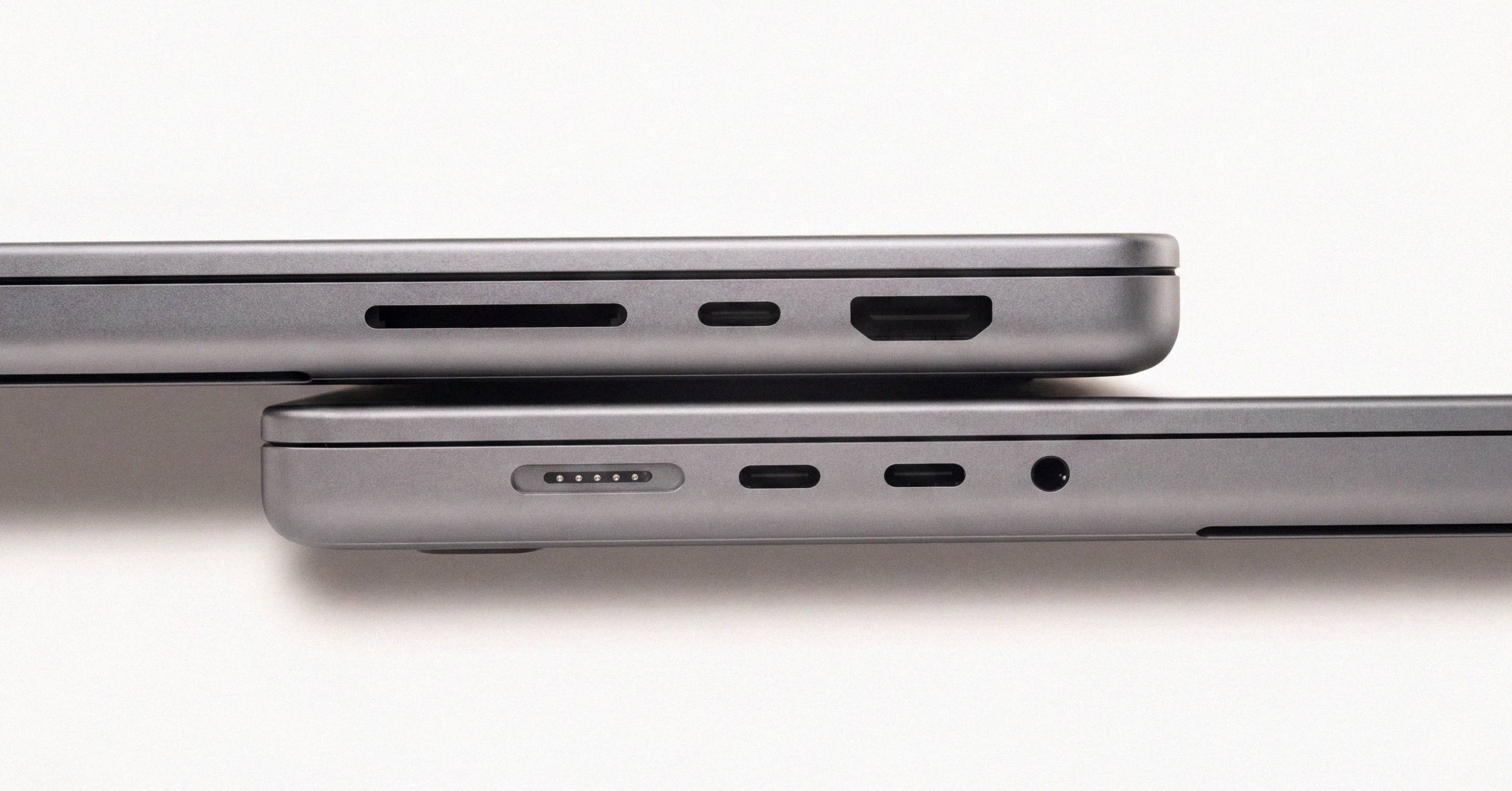
Activation Lock enforcement on Apple silicon happens in the Low-Level Bootloader before macOS loads, gated by a LocalPolicy and a RemotePolicy certificate from Apple's servers. The mechanism is the same on M1 through M4, but macOS Tahoe 26 extended the lock down to component level via Repair Assistant.
What to check when buying a Mac: a glossary for buyers and sellers
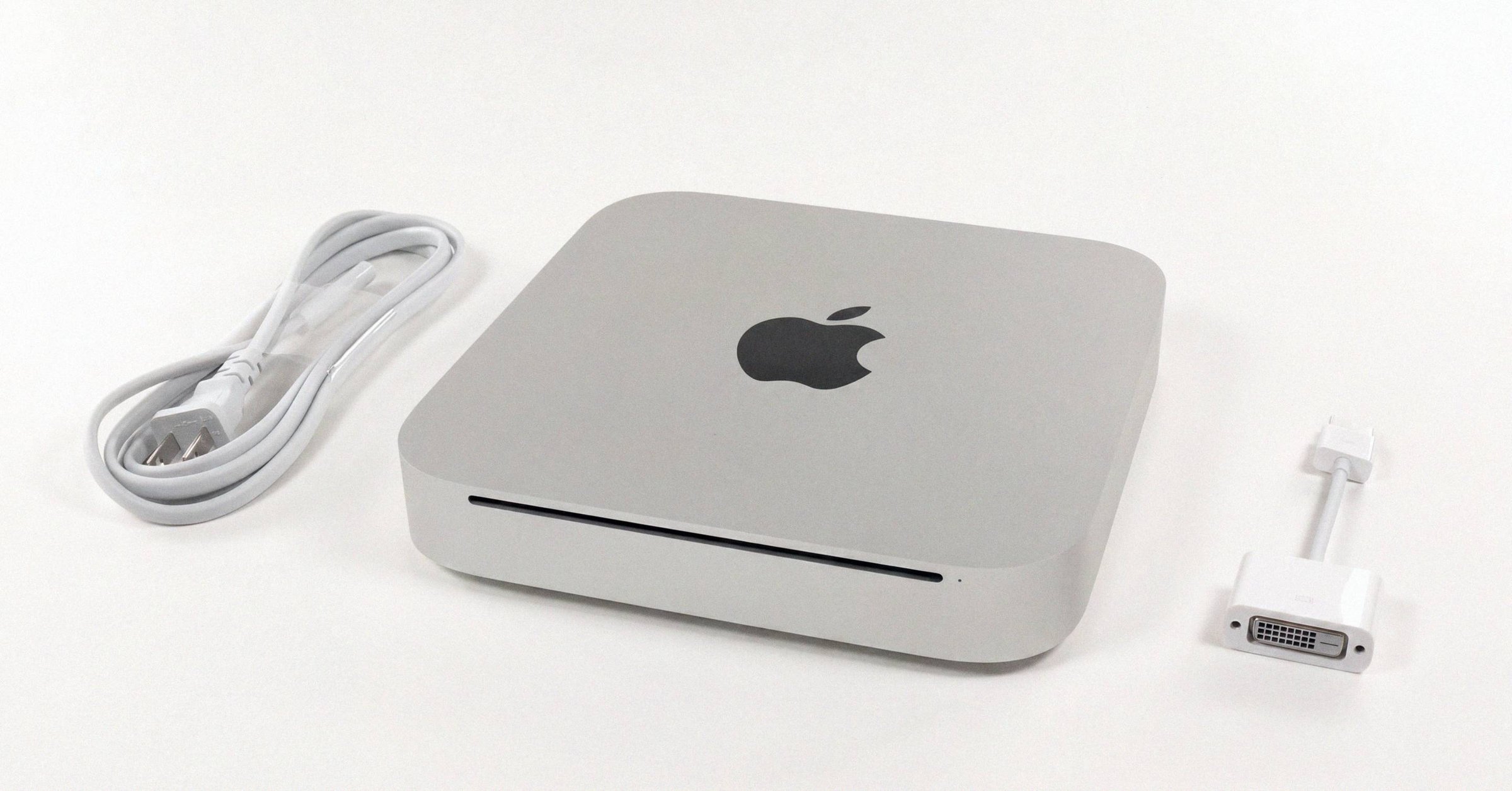
What to check when buying a Mac, term by term: Activation Lock, MDM, ADE, iCloud account state, Secure Enclave, FileVault, SIP, Secure Boot, unified memory, and Apple Coverage Check, each with a one-line verification pointer.
Activation Lock on Mac: the complete guide
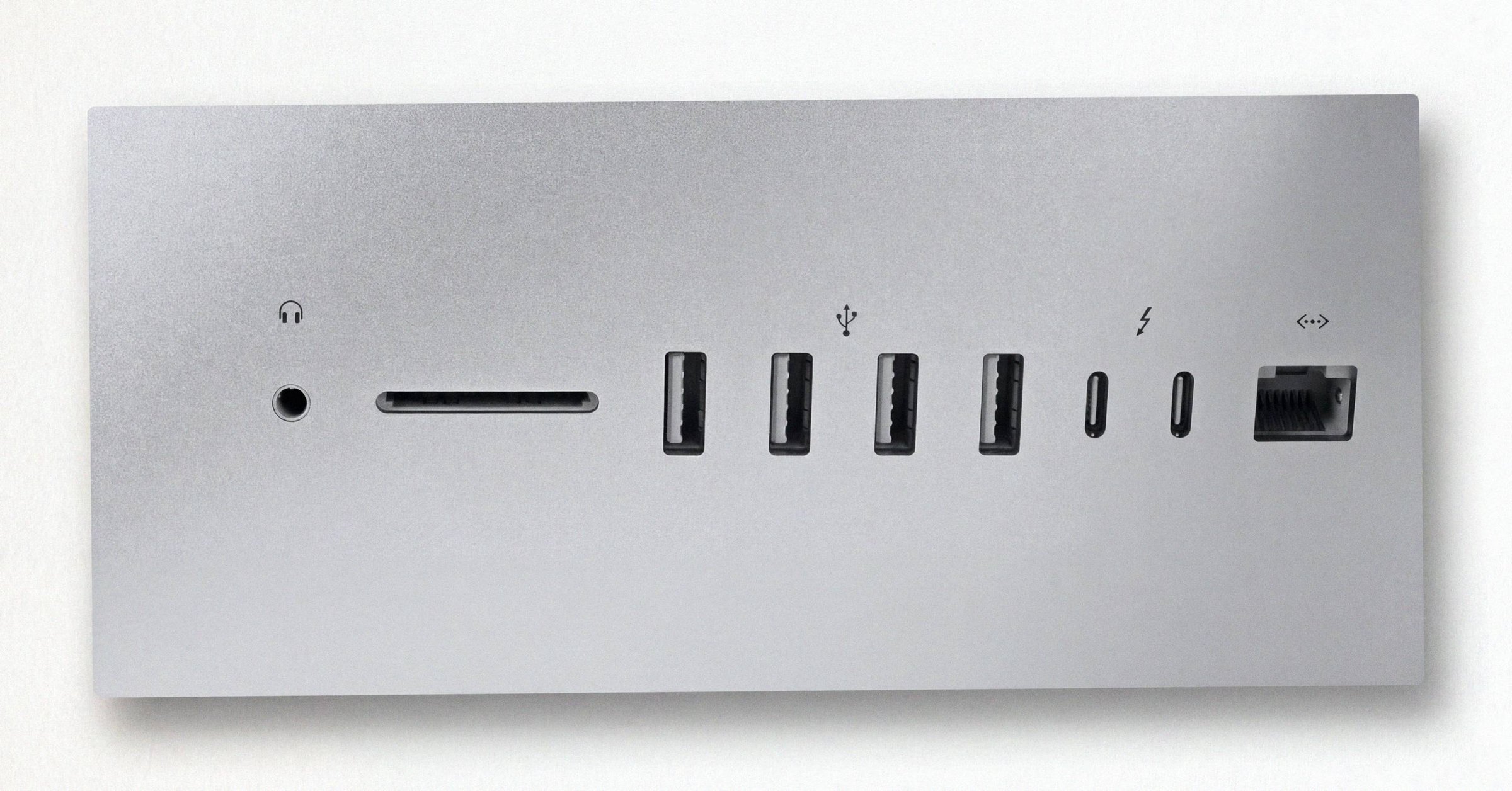
Activation Lock arms automatically the moment you turn Find My Mac on, on any T2 (2018-2020 Intel) or Apple silicon Mac running Catalina or later. Here is how the lock is enforced, the four screens that get confused for it, every legitimate clear, and the in-person check that holds up before paying.

Activation Lock check on a Mac: how to verify it's off before buying
Activation Lock on a Mac can only be verified by observing the Mac's boot state. There is no public server-side check, no Apple-hosted lookup, and no screenshot a seller can send that counts as proof. The only reliable evidence is the seller running Erase All Content and Settings on video and reaching the Setup Assistant "Hello" screen without a lock prompt.
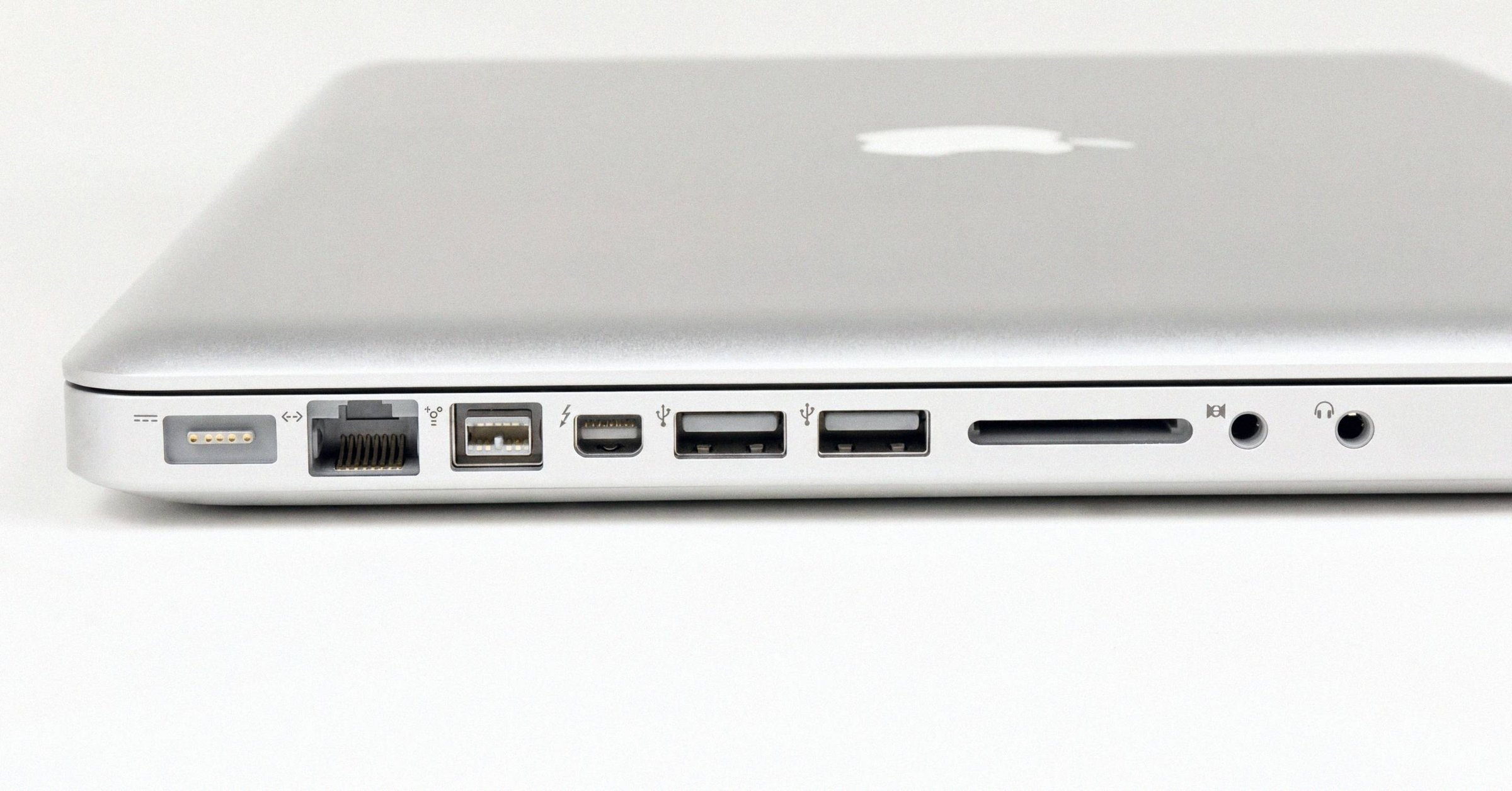
Find My Mac and Activation Lock: turning off the iCloud switch before selling
Find My Mac is the iCloud feature that lets the owner locate, lock, or remotely erase the Mac, and on every T2 or Apple silicon Mac it is also the switch that controls Activation Lock. Turning Find My off is what releases the device for sale.
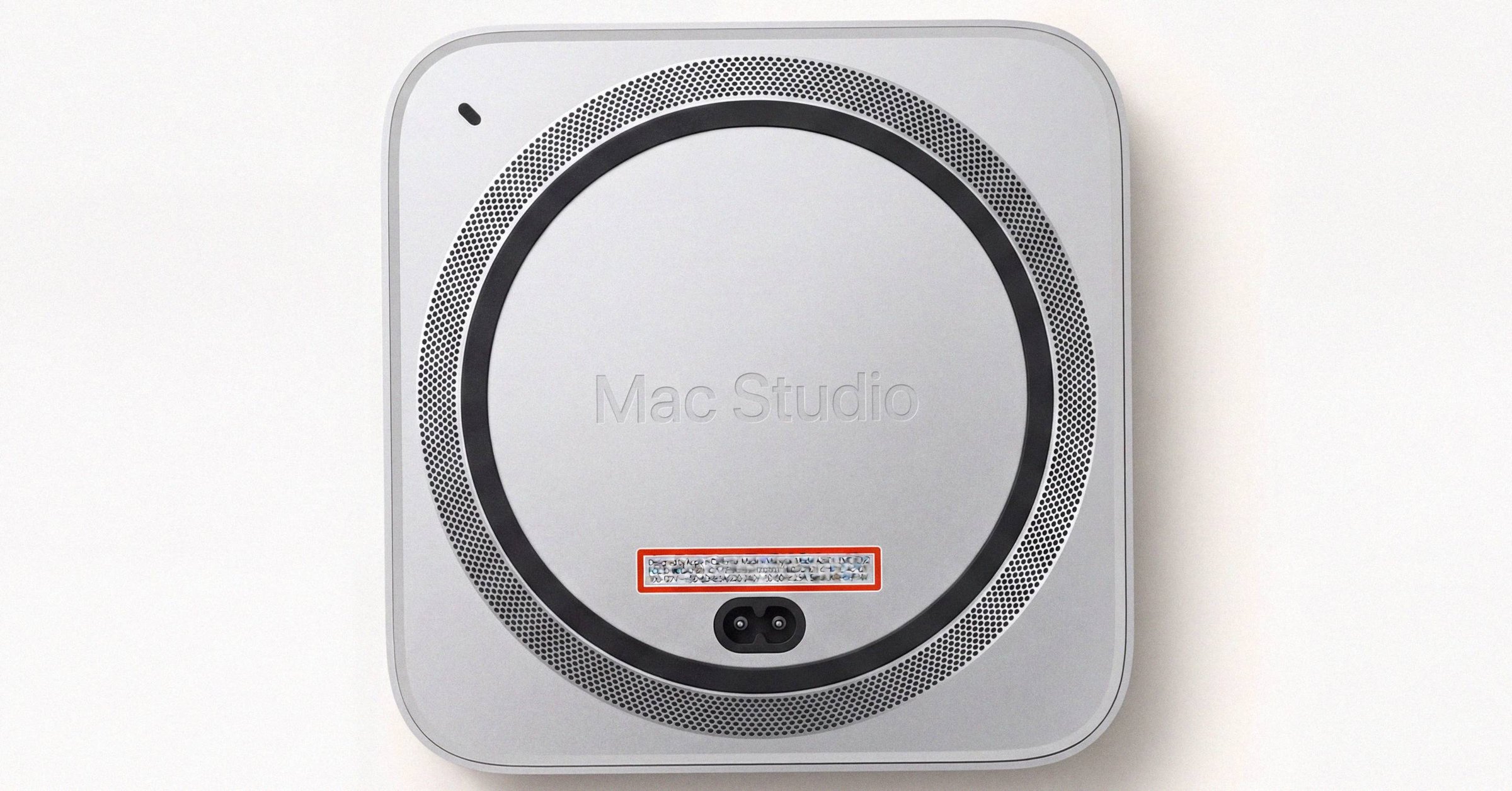
Mac Studio case-swap fraud: weigh one and check Activation Lock before buying
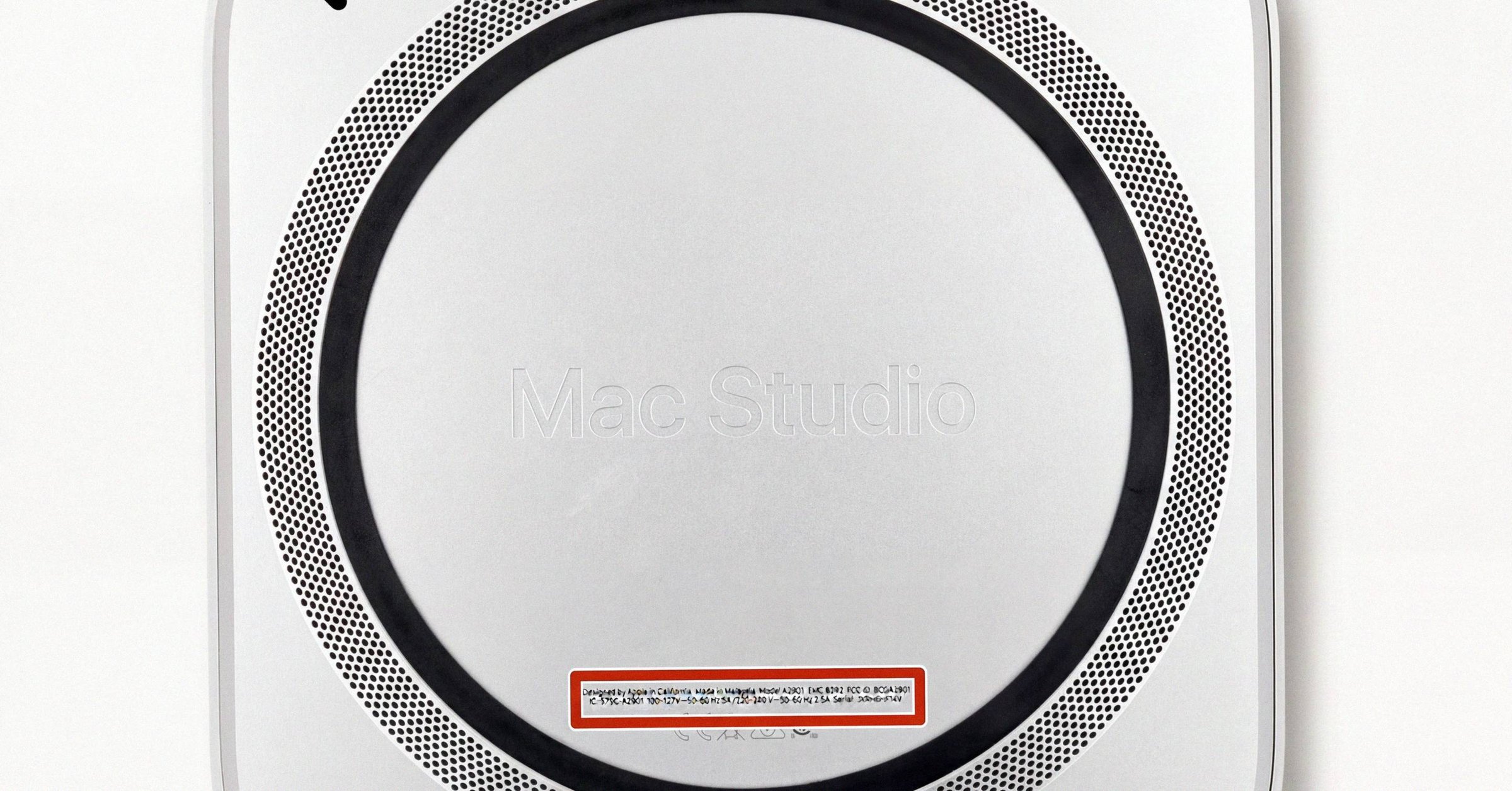
Mac Studio case-swap fraud transplants lower-spec or Activation-Locked boards into clean-serial chassis. A digital postal scale catches the Max-in-Ultra swap because copper cooling cannot be faked; a buyer-side Activation Lock check catches the rest.

What is FileVault on a Mac
FileVault on a Mac is macOS's built-in full-disk encryption. On Apple silicon and T2 Macs it toggles instantly because the SSD is already hardware-encrypted by the Secure Enclave; on older Intel Macs it triggers a multi-hour software encryption pass.
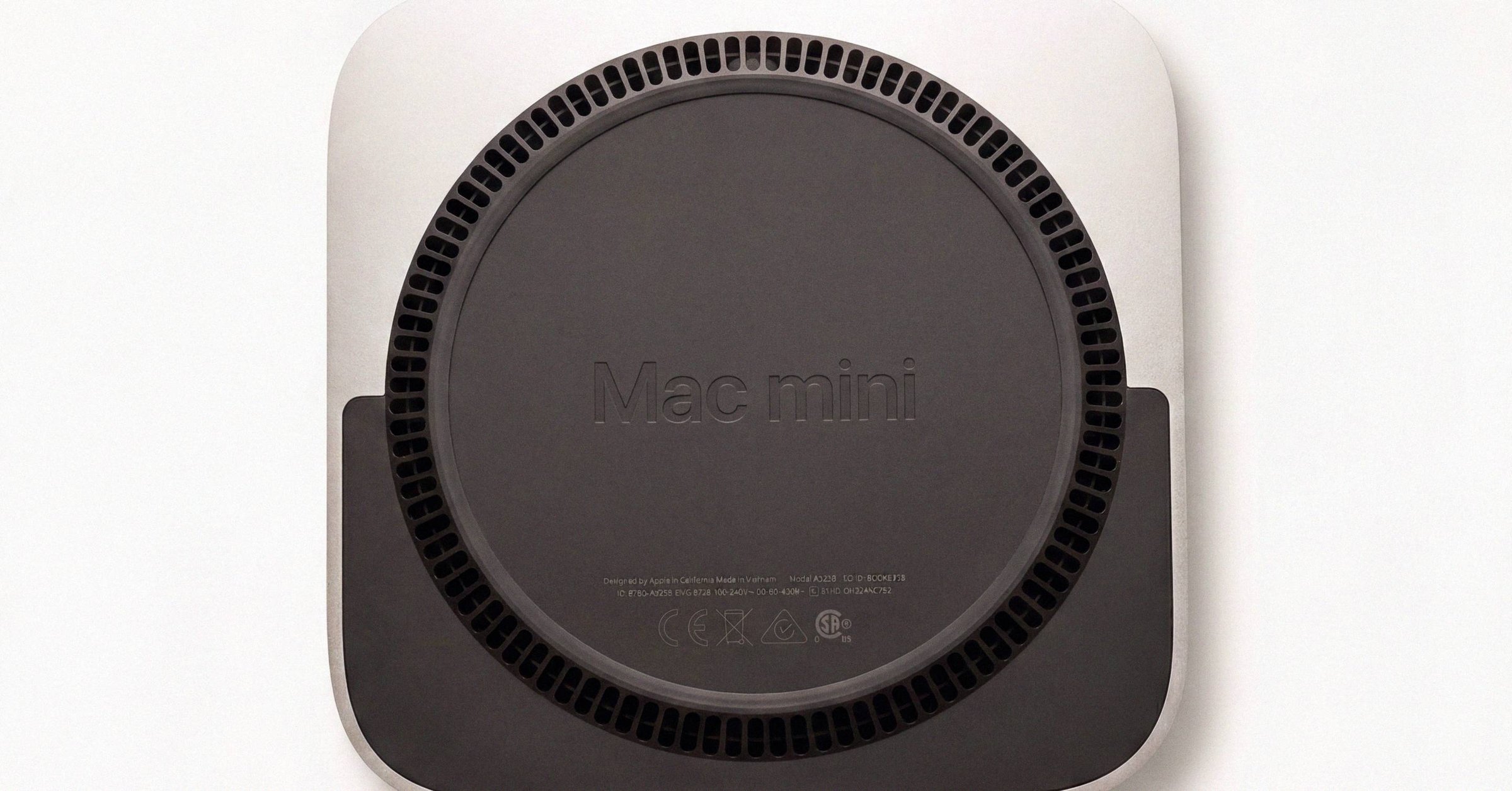
iCloud unlock and MDM bypass on Mac: why every service is a scam
iCloud locked Macs and MDM-bound Macs cannot be unlocked by a third party. Apple sells no consumer iCloud removal product, and every "bypass" service sells the appearance of a clean Mac, not a clean Mac. Activation Lock and ABM/ASM enrollment are enforced on Apple's servers, so every client-side workaround unwinds the moment the device re-contacts Apple.